A Living Heritage on the Bosphorus

Kabataş High School stands at the heart of Istanbul's educational legacy. This presentation curates rare photographs, archival documents, audio narratives, and leadership portraits to tell the school's story chronologically—from its beginnings as the Aşiret Mektebi in 1892 to its modern role as a beacon of academic excellence.

Every milestone is paired with visual or auditory artefacts sourced from the Kabataş collection. Dive into the timeline, meet illustrious alumni, and browse authentic documents that shaped this institution.

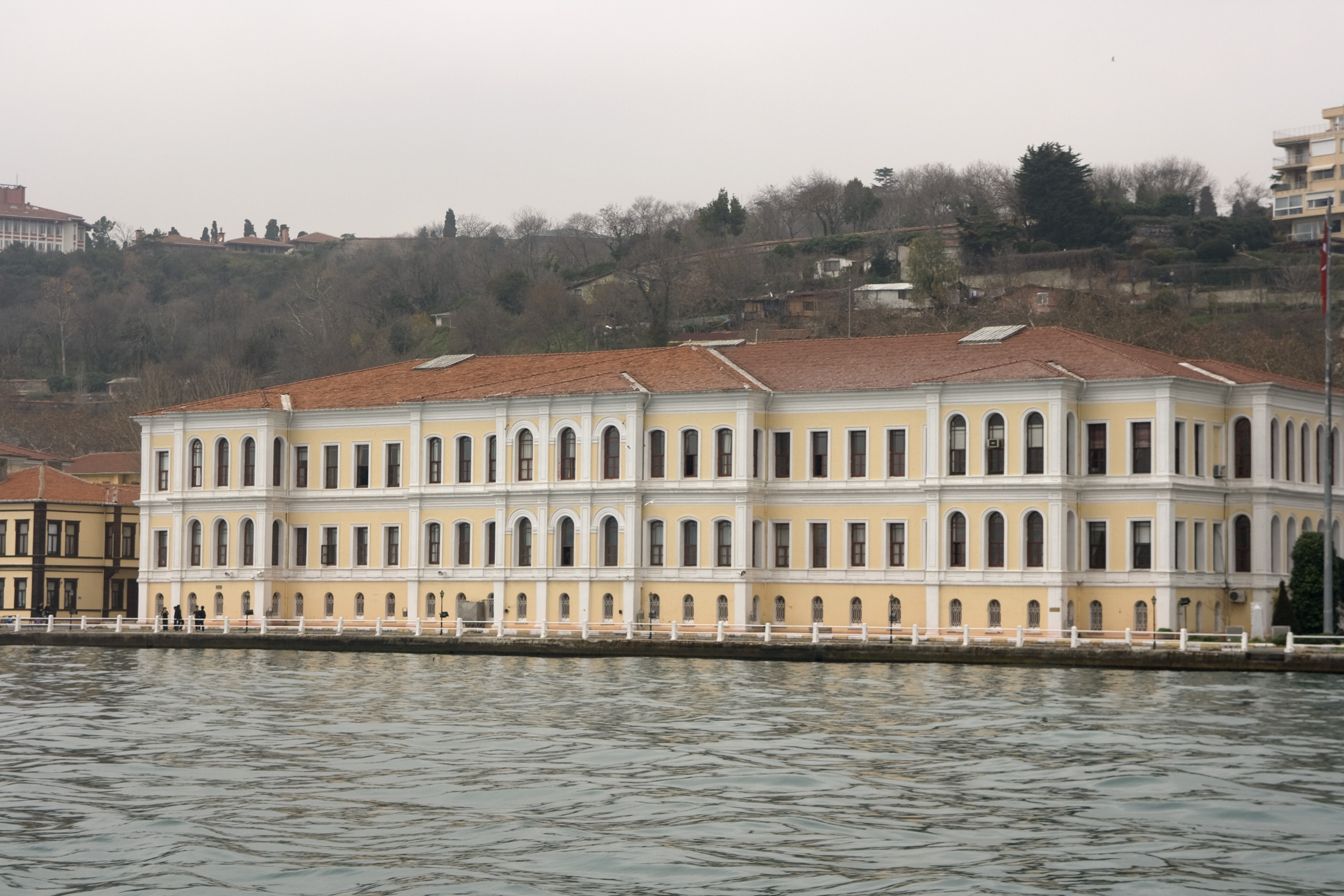
Historic aerial of Kabataş High School along the Bosphorus
The Kabataş shoreline campus captured in a mid-20th century photograph.

Chronological Milestones

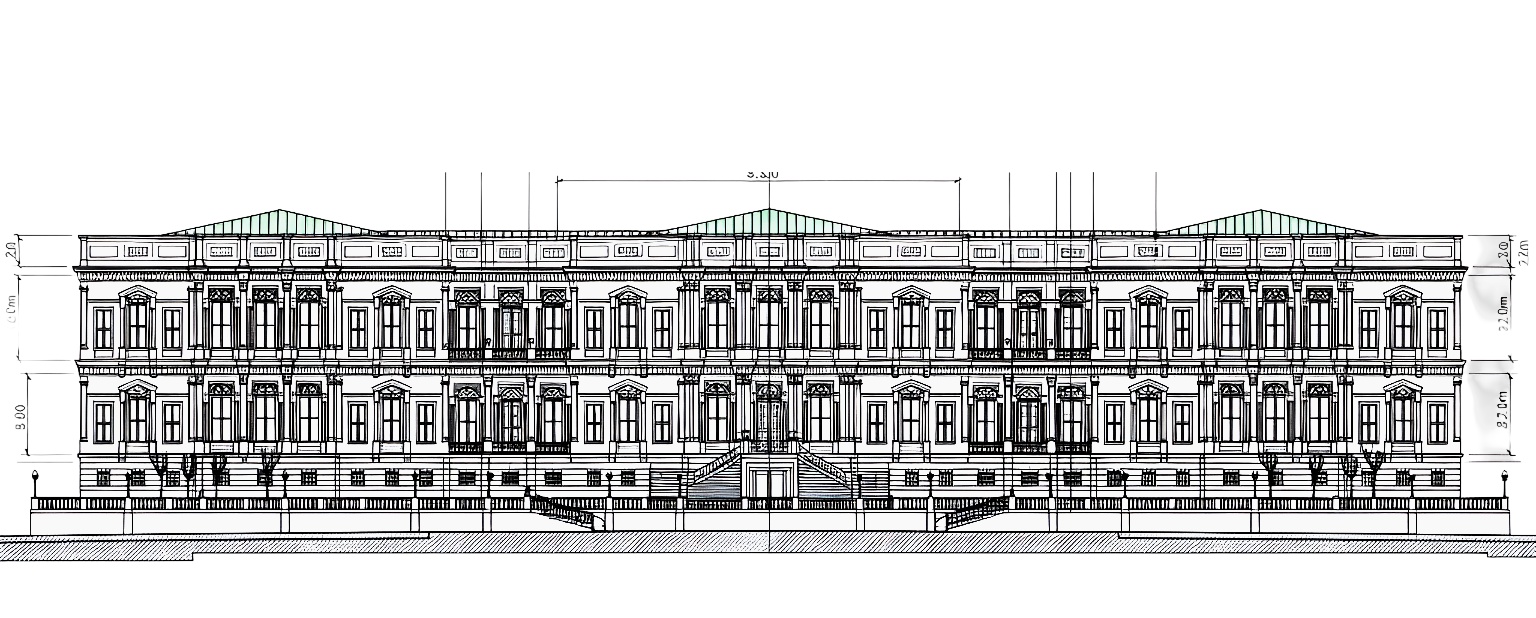
Kabataş High School architectural blueprint
Kabataş High School – Main Campus Blueprint
Çırağan Palace architectural blueprint
Çırağan Palace – Feriye Annex Blueprint
1876

Sultan Abdülaziz's Final Chamber

Deposed Sultan Abdülaziz is confined to the Feriye Mabeyn building—today the principal's office—and found dead four days later. The contested circumstances of his death transform the room into a poignant symbol of imperial decline preceding Kabataş High School's republican legacy.
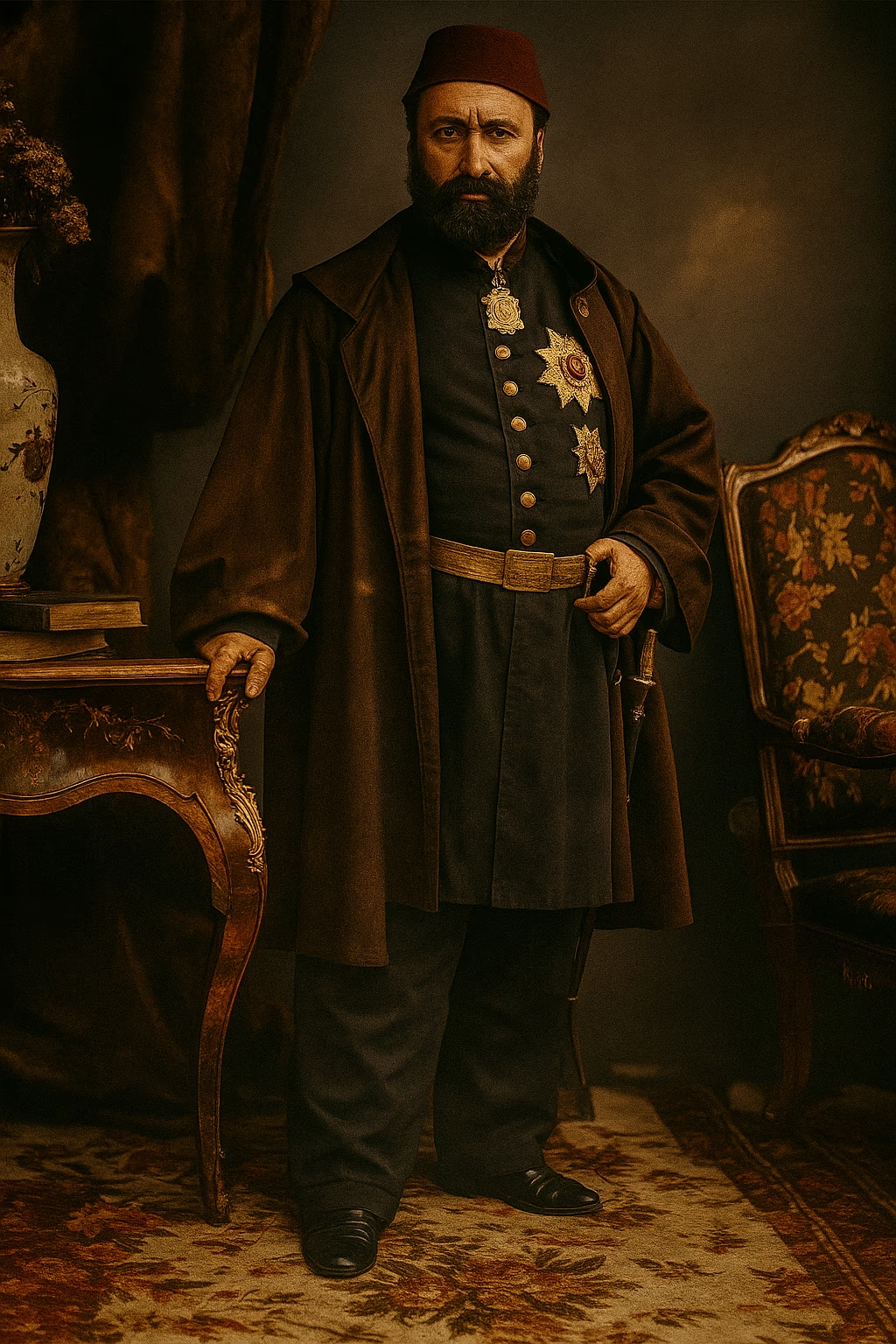
Portrait of Sultan Abdülaziz
1892

Imperial Founding of Aşiret Mektebi

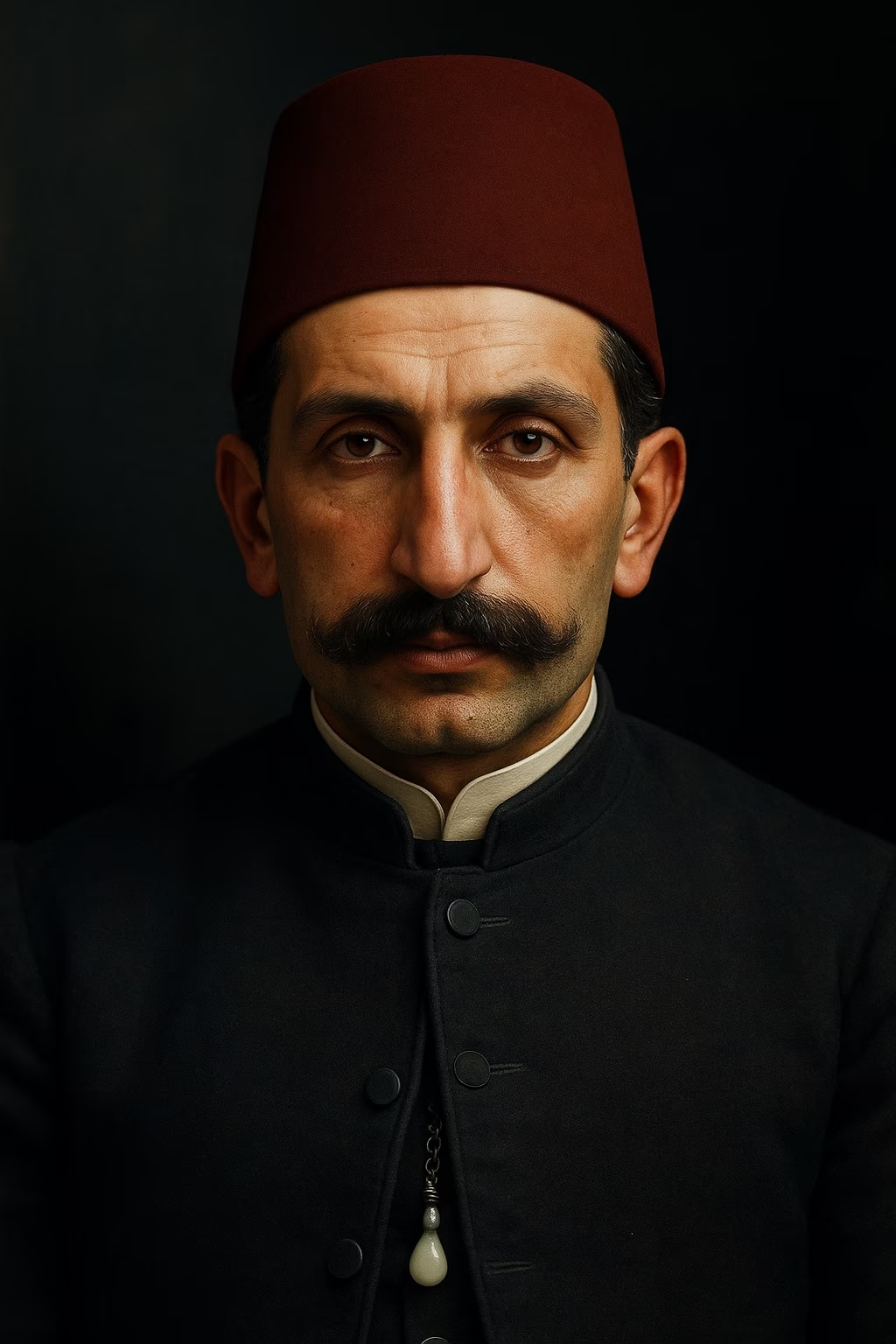
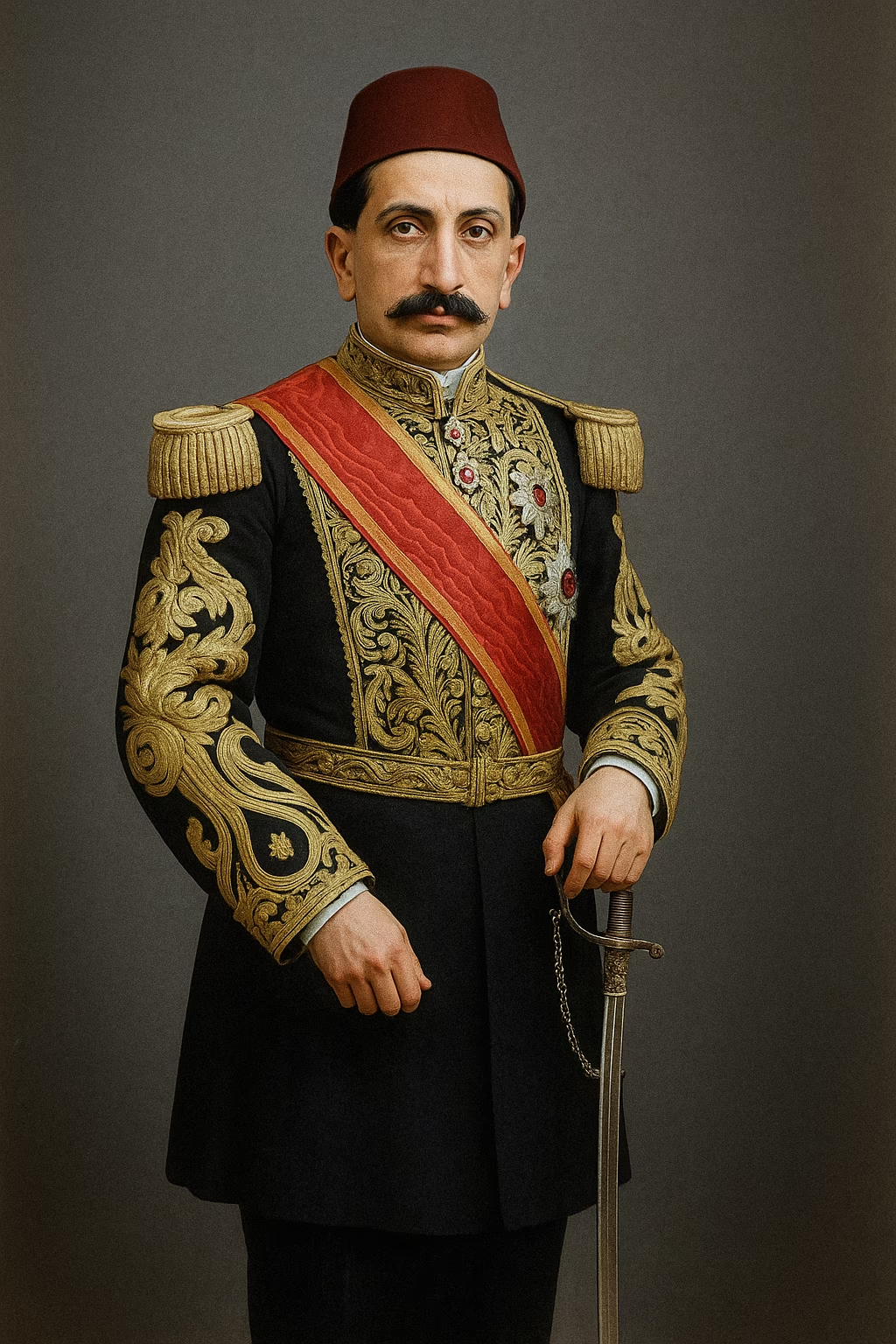
Portrait of Sultan Abdulhamid II

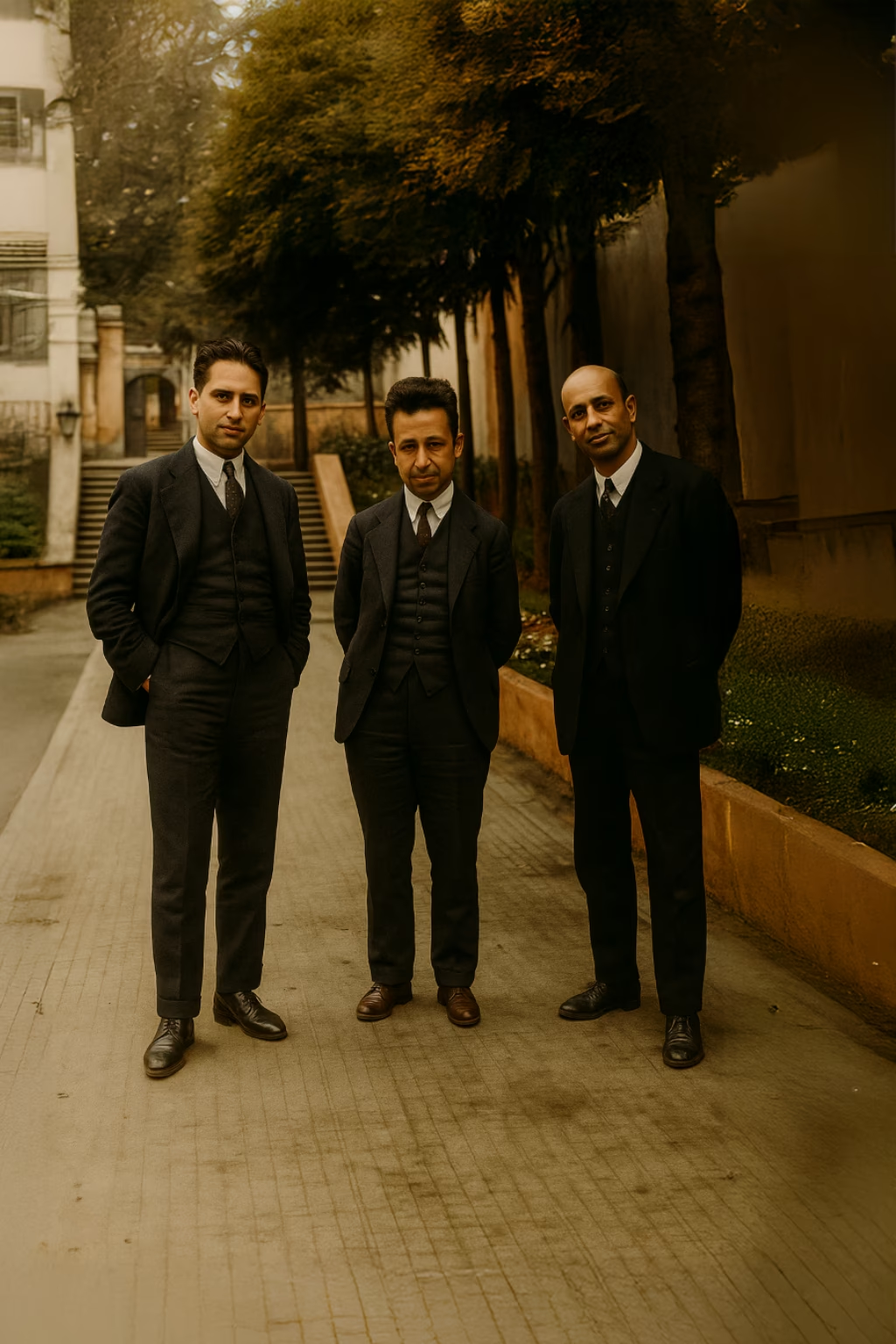
Sultan Abdulhamid II inaugurates the Aşiret Mektebi on 21 September 1892 by imperial decree to educate 12- to 16-year-old sons of prominent tribal leaders within the Ottoman capital. The school first operates in Akaretler before moving into the Esma Sultan Mansion at Kabataş, laying the foundation for an elite boarding tradition.

The inaugural cohort draws from Halep, Baghdad, Syria, Mosul, Basra, Diyarbakır, Tripoli, Jerusalem, Benghazi, and Zur. Students receive a rigorous five-year boarding programme blending Qur'anic studies, canon law, and catechism with French, Turkish, geography, history, literature, and military sciences.

Read archival narrative
1892

Imperial Integration Expands

Rising prestige soon opens the doors to Kurdish and Albanian tribal heirs, making the school a dynastic melting pot whose graduates advance to Harbiye and Mülkiye. The Esma Sultan Mansion thus became the crucible in which imperial loyalty was reframed for a modernising state.

Sultan Abdulhamid II portrait
1908

Transition to Kabataş Sultanisi

Following the Young Turk Revolution, the Aşiret Mektebi is repurposed as Kabataş Sultanisi, opening its doors to a wider student body while maintaining its elite boarding structure within the Esma Sultan complex.

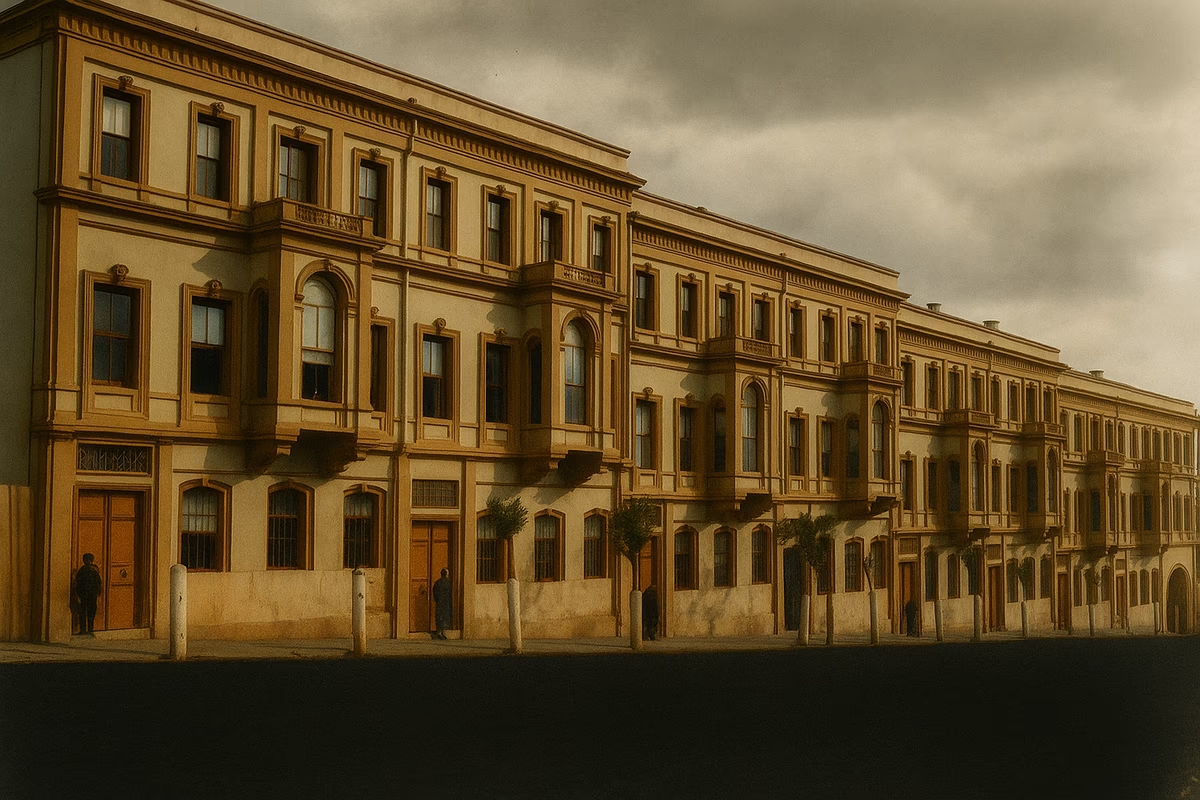
Historic image of the Aşiret Mektebi building
A rare façade view of the Esma Sultan Mansion era.
1906

Tensions and Closure

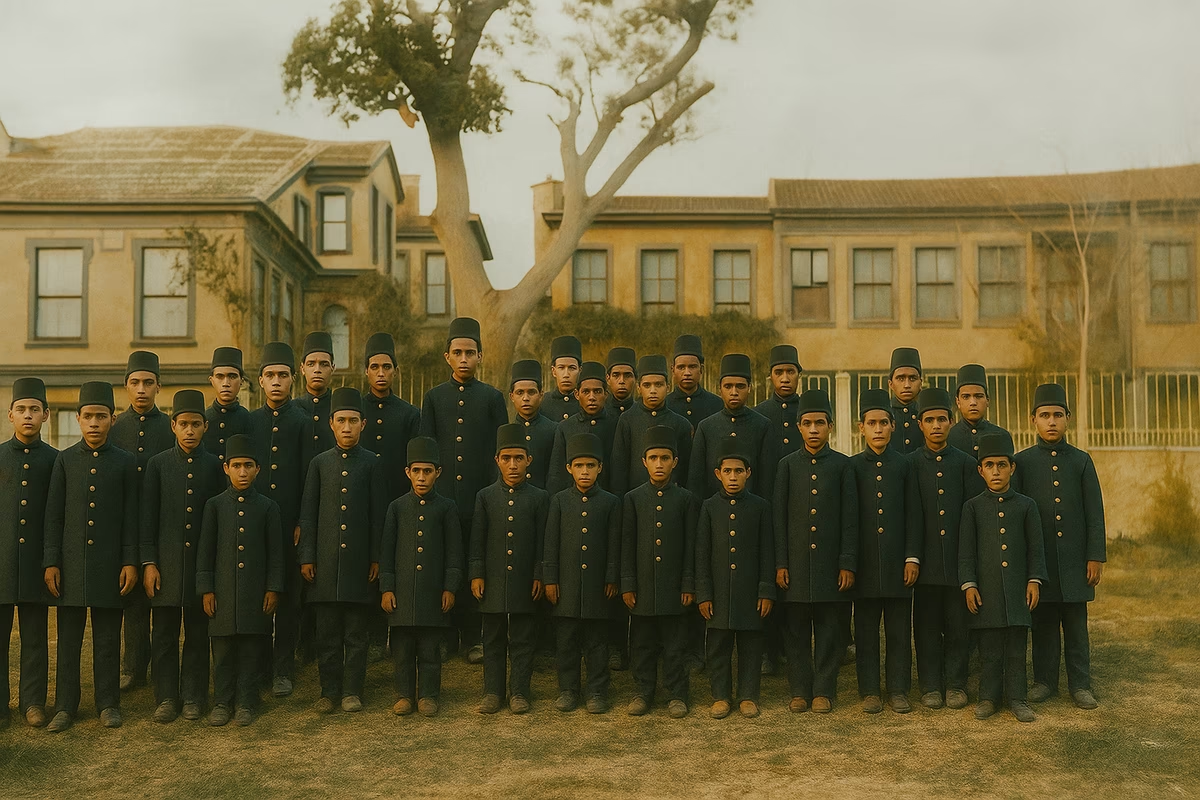
Students of the Imperial Tribal School in Kabataş
Elite boarding life at the Aşiret Mektebi shortly before its transformation.

Rapid growth strains finances and sparks clashes between Kurdish and Arab students, leading to the construction of an on-site police station. Archival accounts cite a food riot in 1906, while political unrest is widely believed to have prompted the school's closure in its imperial form.

1913

Colours of Mourning

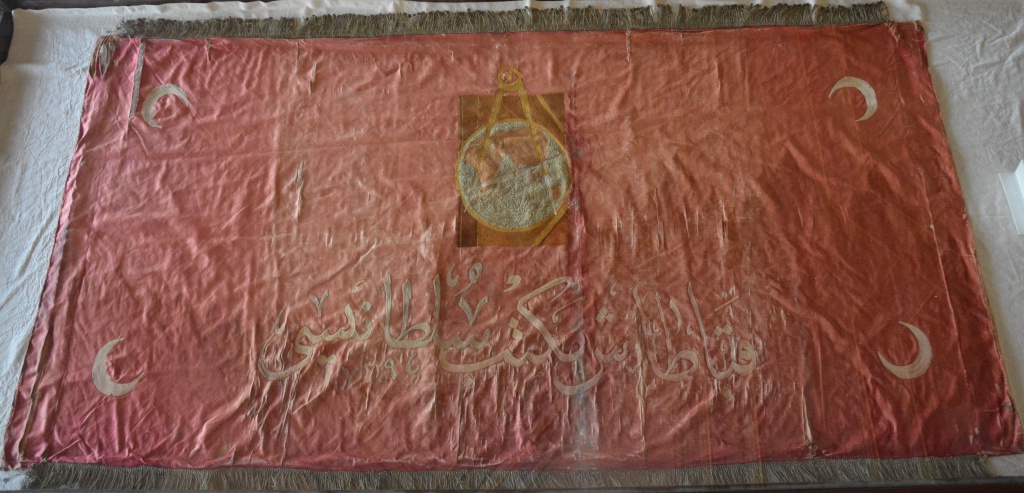
The Balkan Wars claimed many Kabataş teachers and senior students. In mourning, the school retired its red-and-white pennant on 7 March 1913 and adopted a red-and-black flag that still flies today.

The colour shift symbolised a community bound by sacrifice: black for the fallen at the front, red for the resolve to continue their mission in classrooms overlooking the Bosphorus.

Kabataş red-black pennant
The red-black pennant honours Kabataş losses in the Balkan Wars.
1915

Gallipoli Remembrance

Kabataş students visiting memorials
Kabataş students honour alumni who fought at Gallipoli.

Many Kabataş seniors volunteered for the Gallipoli Campaign, and several never returned. Their classmates organised visits to the peninsula to tend graves and commemorate alumni who fell in 1915.

This remembrance tradition continues today: each anniversary, Kabataş students travel to Çanakkale to honour their predecessors, linking present-day graduates with the school’s wartime heritage.

1919

Boarding Section Expansion

The strain on the Esma Sultan Mansion triggers a full boarding expansion, underscoring the rising demand for Kabataş education and the school's ambition to welcome students from across the empire. Administrative reports emphasise that a larger, purpose-built campus is now a strategic necessity.

Faculty portrait in Kabataş High School
Faculty cohesion sustained the school through turbulent years.
Facilities report (English translation)
1928 – 1929

Move to the Feriye Palaces

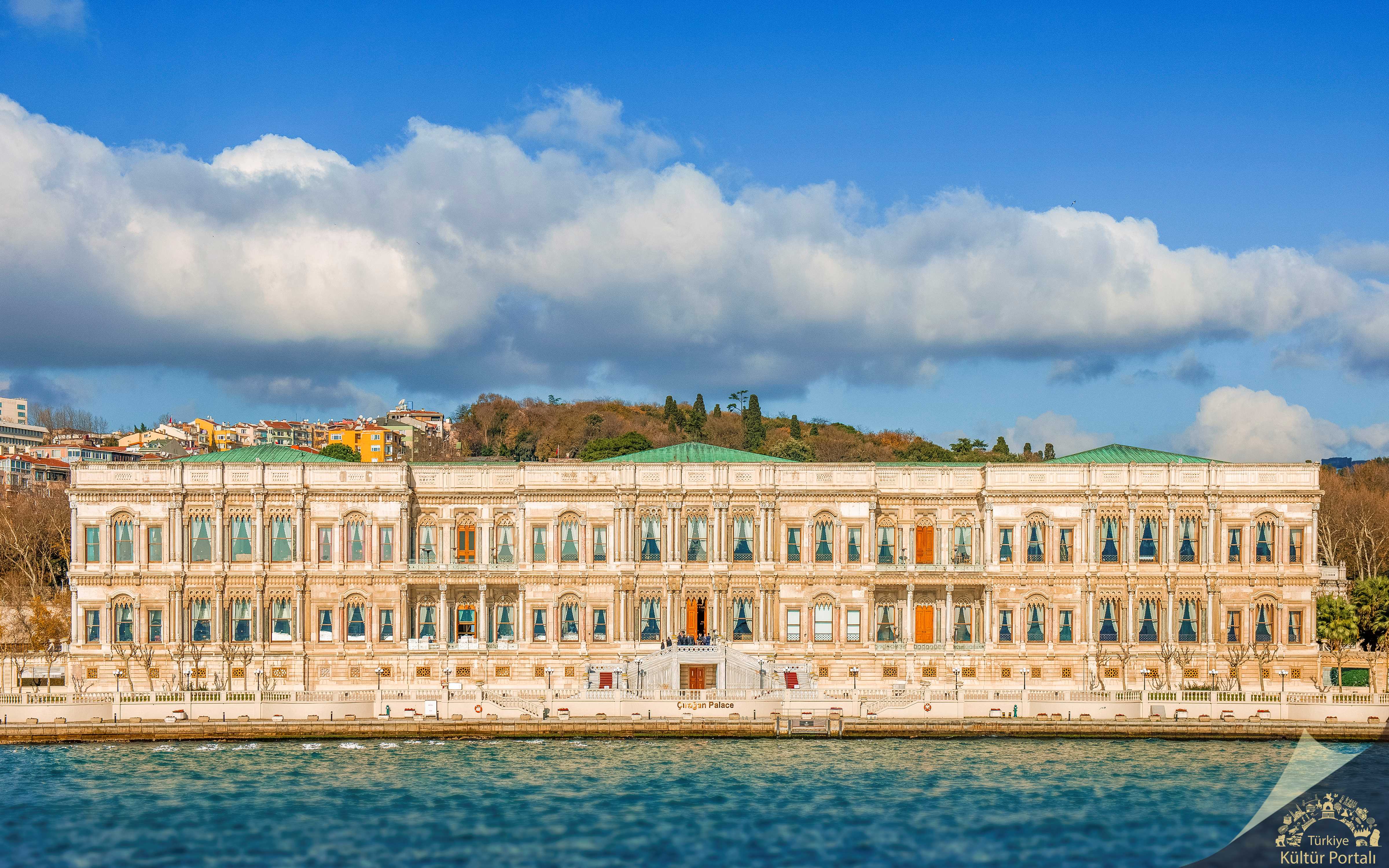
Çırağan and Feriye palaces along the Bosphorus
The Feriye complex situates Kabataş within imperial splendour.

The Republic era repositions Kabataş within the Feriye Palace ensemble, designed by the Balyan family. The Mabeyn building becomes the main classroom block, permanently redefining the school's architectural identity.

Repurposing the mansion where Sultan Abdülaziz died in 1876 into the Principal's Office turns the site of imperial collapse into the command centre of republican education—an intentional symbol of regime change.

1934

Cultural Hub Formation

The restoration of the Ağalar Dairesi integrates laboratories and a conference hall, weaving modern pedagogical needs into the historical fabric of the campus.

What once housed palace officials now powers experiments, assemblies, and language instruction, illustrating how Kabataş activated every support structure in the Feriye complex for modern learning.

Architectural plan of the Feriye campus
Plans reveal adaptive reuse tactics during early Republican reforms.
1941 – 1942

Secondary Section Transfer

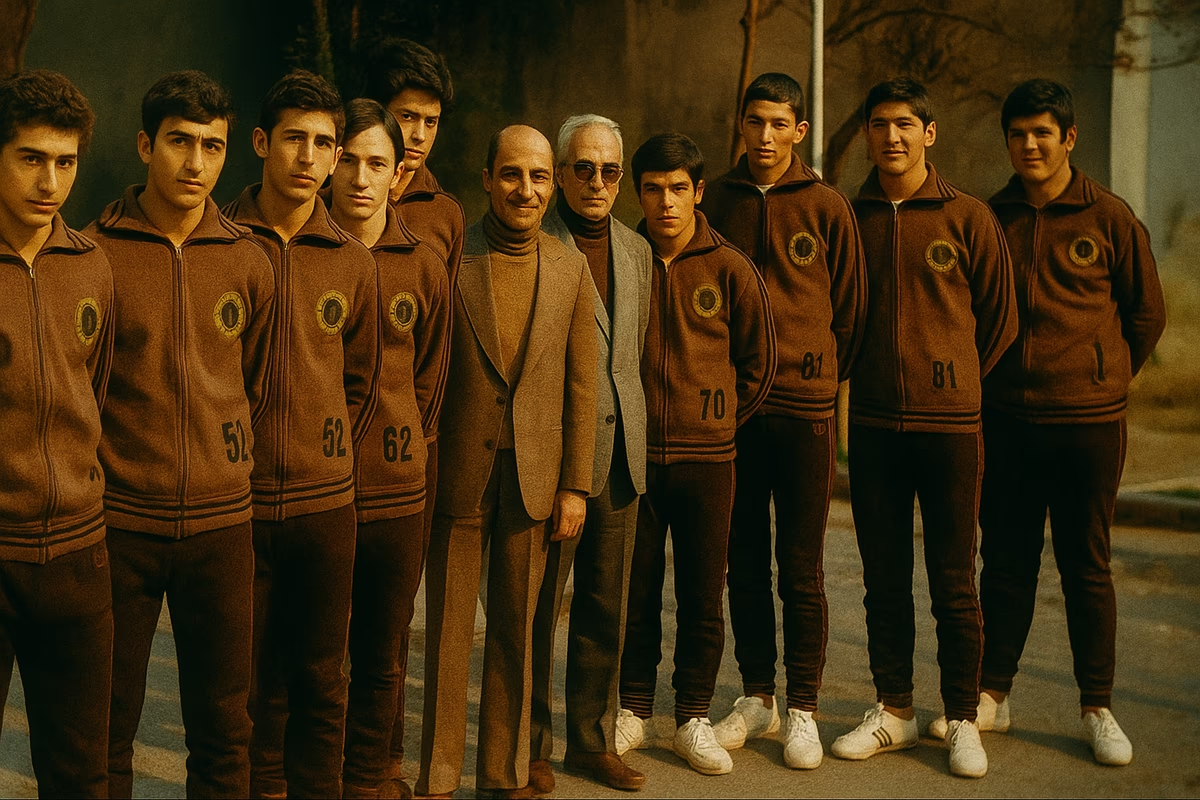
Students during a 1940s physical education class at Kabataş High School

Amid wartime resource pressures, the middle school closes and the Beşiktaş Secondary School building is reassigned as a Kabataş dormitory block, cementing the institution's boarding tradition.

1950s

Golden Generation of Alumni

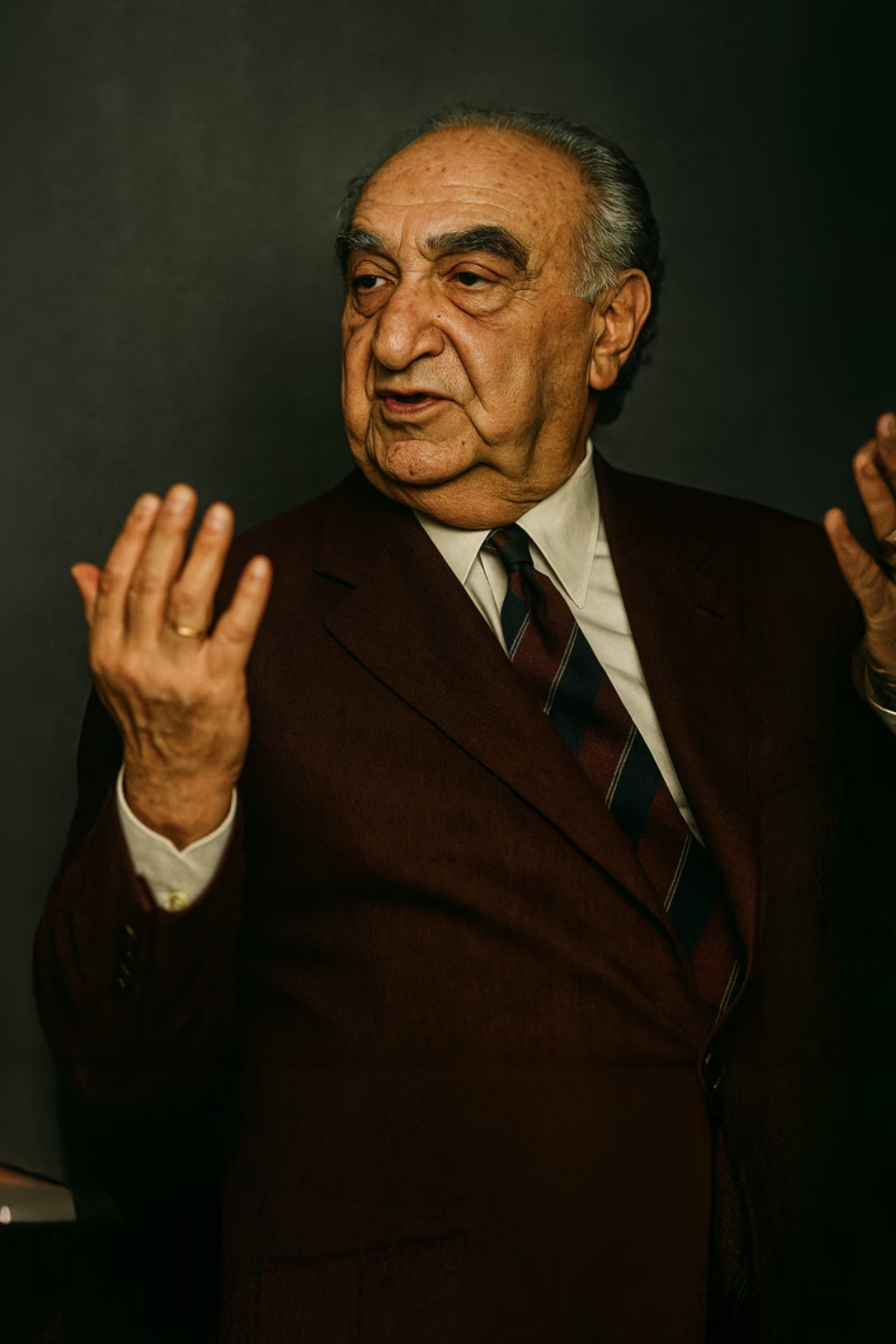
The post-war decade produces prominent cultural and civic leaders, from poet Faruk Nafiz Çamlıbel to statesman Adnan Kahveci, reflecting the school's intellectual diversity.

Alumni busts and the Faruk Nafiz Çamlıbel Museum on campus memorialise a leadership ethos grounded in public service, artistic innovation, and sporting integrity—core values distilled from archive studies.

Influence briefing
After 1995

Comprehensive Restoration

A landmark restoration programme unifies the Feriye complex—including former police barracks—under the Kabataş educational campus. Modern laboratories, cultural venues, and technological upgrades revitalise the heritage environment.

Led by the Kabataş Education Foundation, the restorations also opened the Feriye Restaurant in the rehabilitated police station, creating a revenue model that sustains conservation of the entire complex.

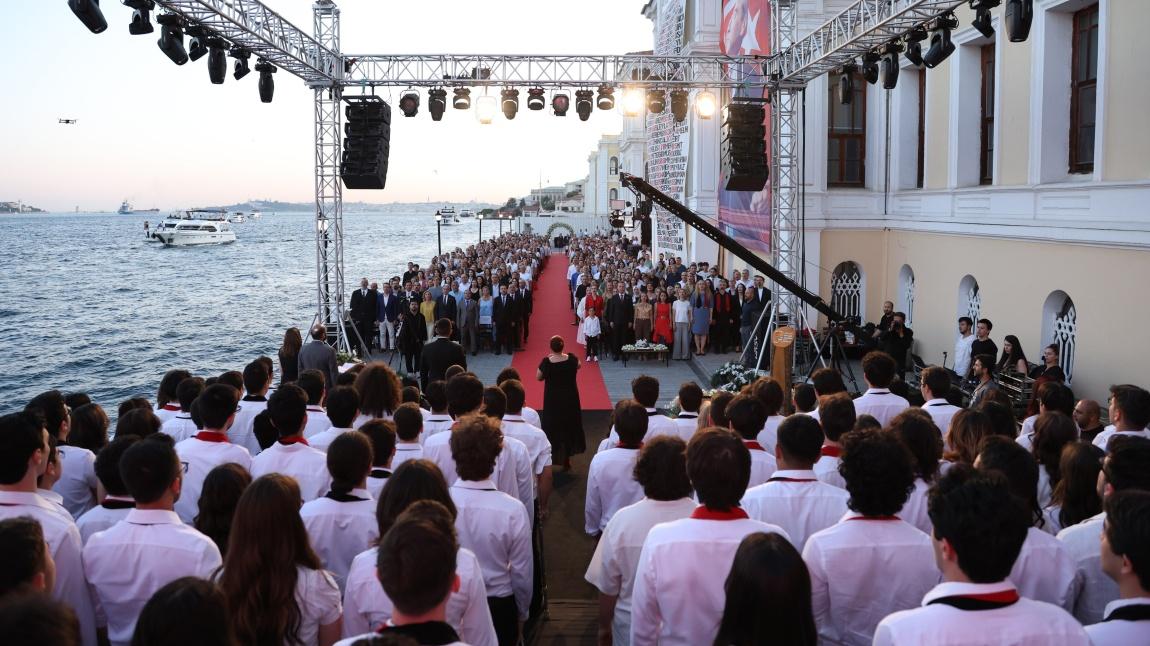
Graduation ceremony at Kabataş High School
2020s

Living Legacy

Kabataş High School continues to produce national leaders across science, diplomacy, and the arts. Recent digital learning initiatives reinforce its reputation as a forward-looking institution rooted in tradition.

Architectural elevations of the main block
Architectural elevations of the main block.

Campus Insights from Archival Reports

Imperial Tribal School Snapshot

  • Admissions: Boys aged 12-16 from Halep to Tripoli joined under imperial patronage.
  • Curriculum: Qur'anic studies alongside French, geography, history, literature, and military science.
  • Expansion: Kurdish and Albanian heirs added as prestige rose; graduates advanced to Harbiye and Mülkiye.
  • Security Measures: A dedicated police post was erected after inter-tribal disputes escalated.
  • Closure: Officially attributed to a 1906 food riot, though political unrest likely sealed its fate.

Architectural Timeline

  • 1908: Establishment in the Esma Sultan Mansion with seven classes and 276 students.
  • 1919: Boarding wing inaugurated, revealing the need for a larger campus.
  • 1928–1929: Move to the Feriye Mabeyn Building as the main classroom block.
  • 1934: Ağalar Dairesi restored into today's Cultural Building.
  • 1941–1942: Beşiktaş Secondary School structure joins the campus as the historic dormitory.
  • Post-1995: Feriye Police Station and gendarmerie wards integrated as education and culture units.

Adaptive Reuse Highlights

The archival survey details how each dynastic structure found a republican function: the Mabeyn as classrooms and administration, the dormitory block as mixed boarding, the Cultural Building for labs and conferences, and the revived Feriye Restaurant for cultural programming and financial resilience.

Modern Campus Snapshot

Today Kabataş serves roughly 700 students, including 250 boarders. The campus operates as an Education and Culture Site, balancing heritage preservation with cutting-edge science labs, language suites, and waterfront social venues.

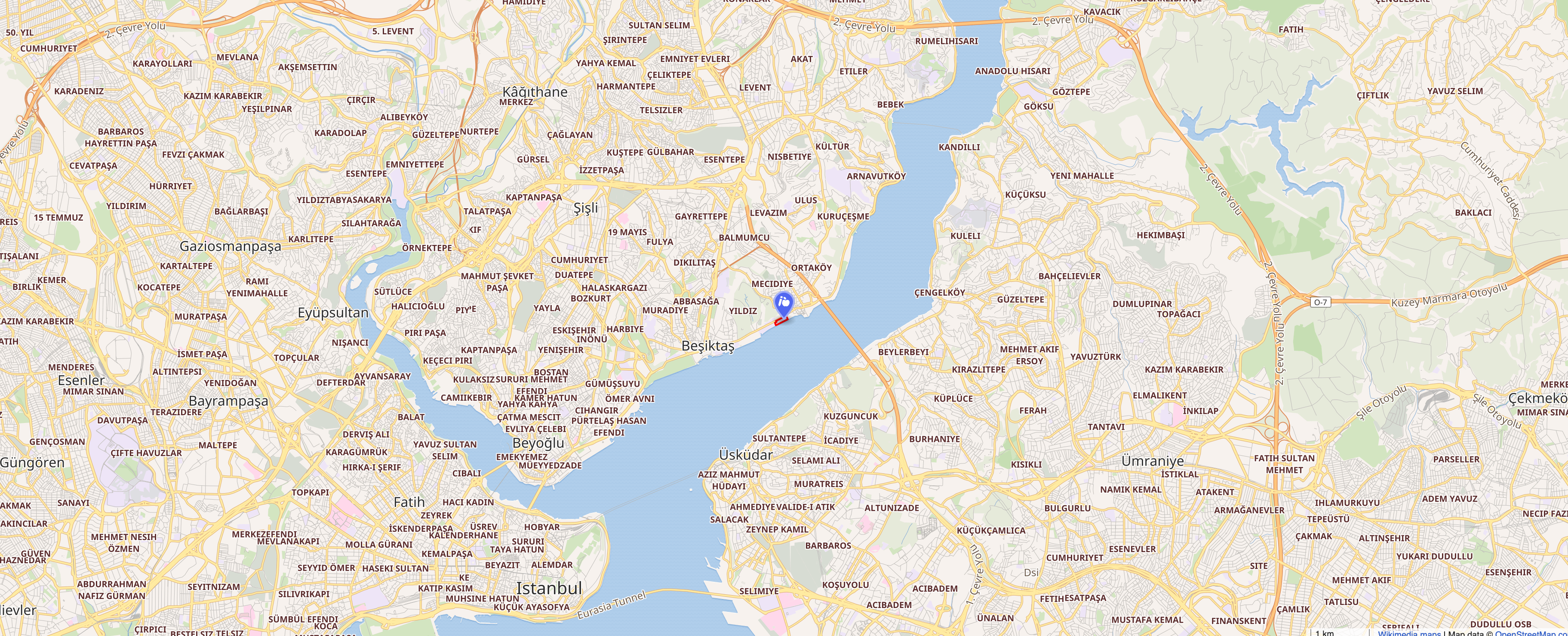
Kabataş Campus Map

Map of Kabataş High School and Feriye campus
Map of the Kabataş High School shoreline campus, highlighting the Mabeyn building, Cultural Building, dormitories, and support structures within the historic Feriye ensemble on the Bosphorus.

Contemporary 4+4+4 Education Framework

Legal foundations illustration

Legal Foundations

The 4+4+4 model, introduced by Law No. 6287 in 2012, operates within the broader mandate of Law No. 1739 (Millî Eğitim Temel Kanunu). Continuity guarantees lifelong learning, while inclusiveness— strengthened by the 2014 disability amendment—ensures non-discriminatory access.

Stages of education diagram

Three Sequential Stages

  • Primary (Grades 1-4): Universal literacy and numeracy through a common curriculum.
  • Middle (Grades 5-8): Shared culture with early programme choices such as İmam-Hatip routes.
  • High School (Grades 9-12): Pathways spanning science, social sciences, İmam-Hatip, and vocational schools.
Inclusive education support

Inclusion & Support

Special Education Services implement individualized education programmes (BEP) and support education rooms to integrate learners with additional needs while honoring compulsory attendance.

Vocational training illustration

Vocational Integration

Vocational and Technical Education bridges school and labour market; the Ministry funds apprentice social security premiums, highlighting education's role in workforce planning.

Strategic outlook

Strategic Outlook 2024-2028

The national plan prioritizes equal opportunity, skills-focused assessment reforms, and stronger industry partnerships—shifting emphasis from structural access to measurable quality.

Leadership at a Glance

School governance blends tradition with innovation. Explore the current leadership team guiding Kabataş High School's academic strategy.

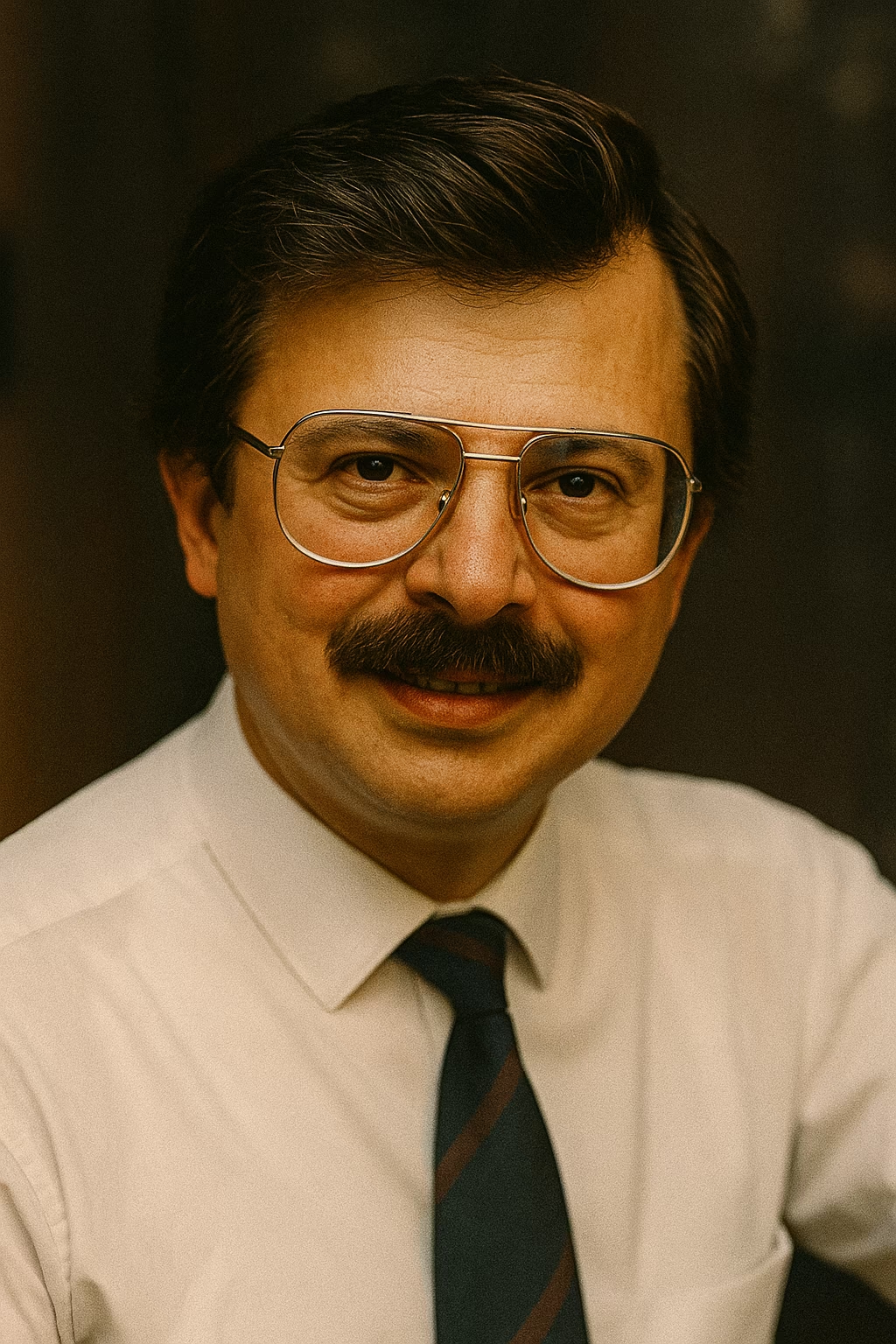
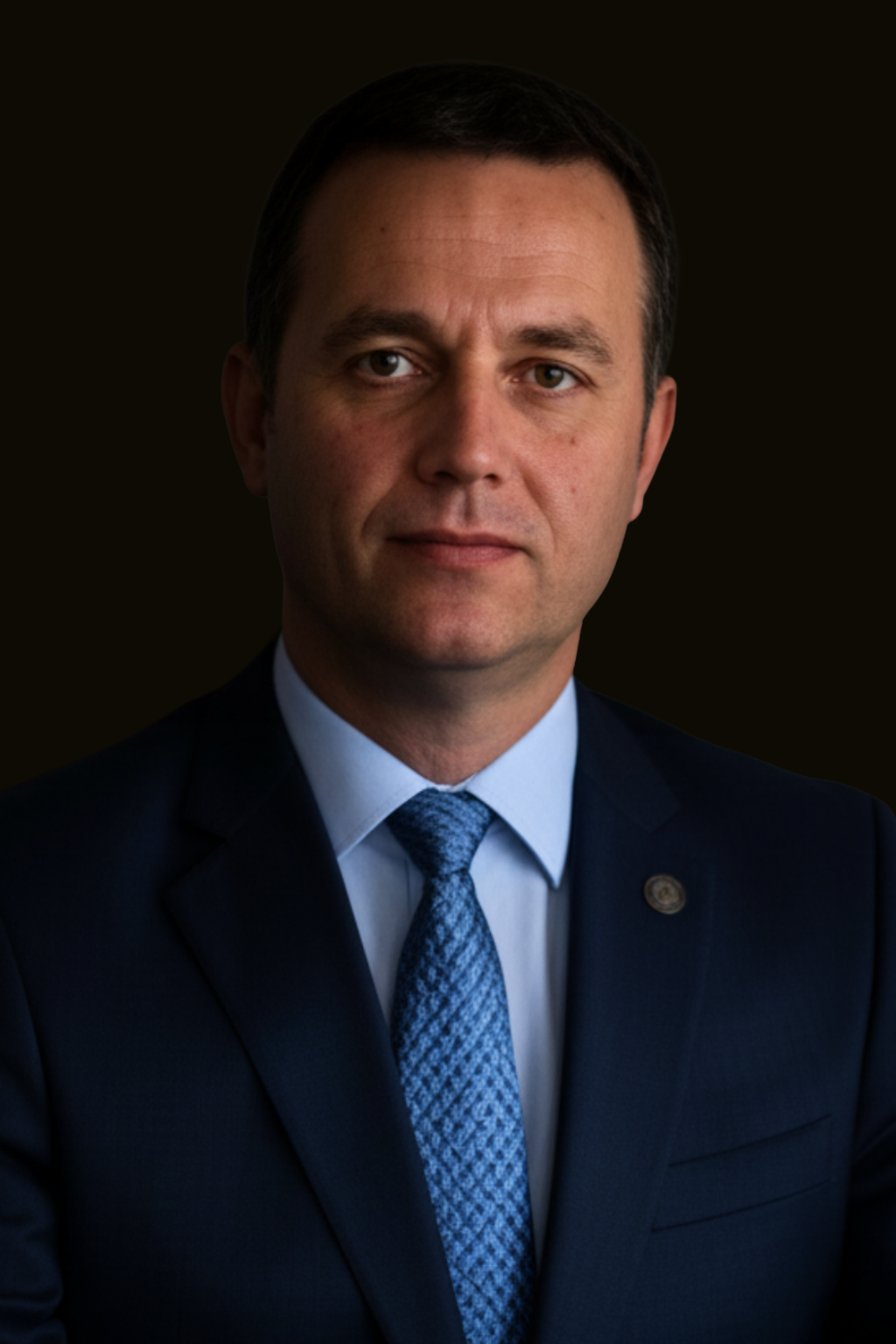
Dr. Muharrem Bayrak

Dr. Muharrem Bayrak

Istanbul-trained Turkish Language and Literature specialist; completed successive graduate degrees in Çanakkale, Istanbul, and Bahçeşehir before earning his PhD in 2021. His academic route also includes ESL study in New York and an associate degree in Justice.

Began as a literature teacher at İnönü Vocational and Technical Anatolian High School, served as a reserve officer Turkish teacher, then rose through Beşiktaş district leadership roles. Principal of Kabataş High School since August 20, 2021, and a member of the Bahçeşehir University Educational Sciences Advisory Board.

Ayşe Bozdağ
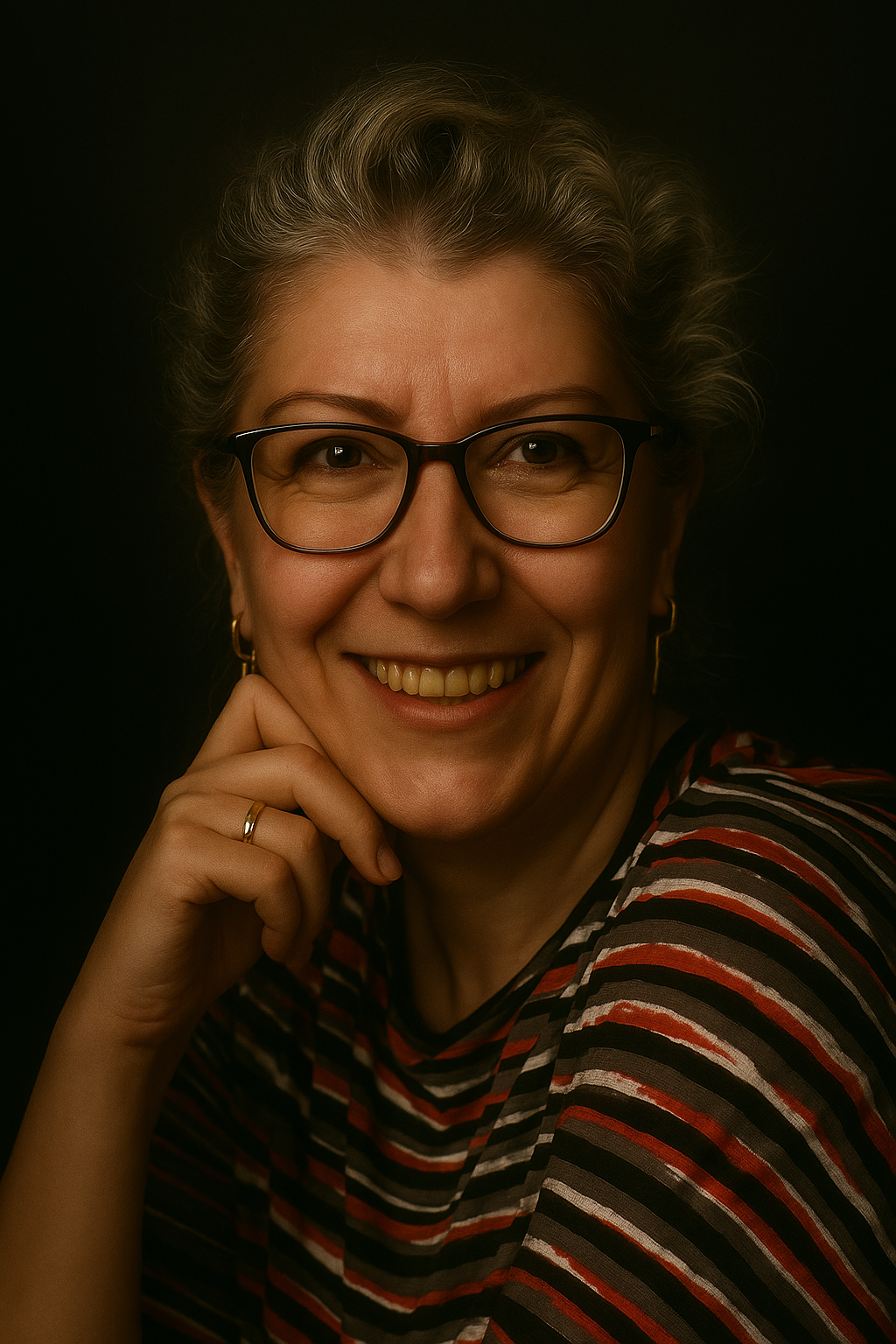
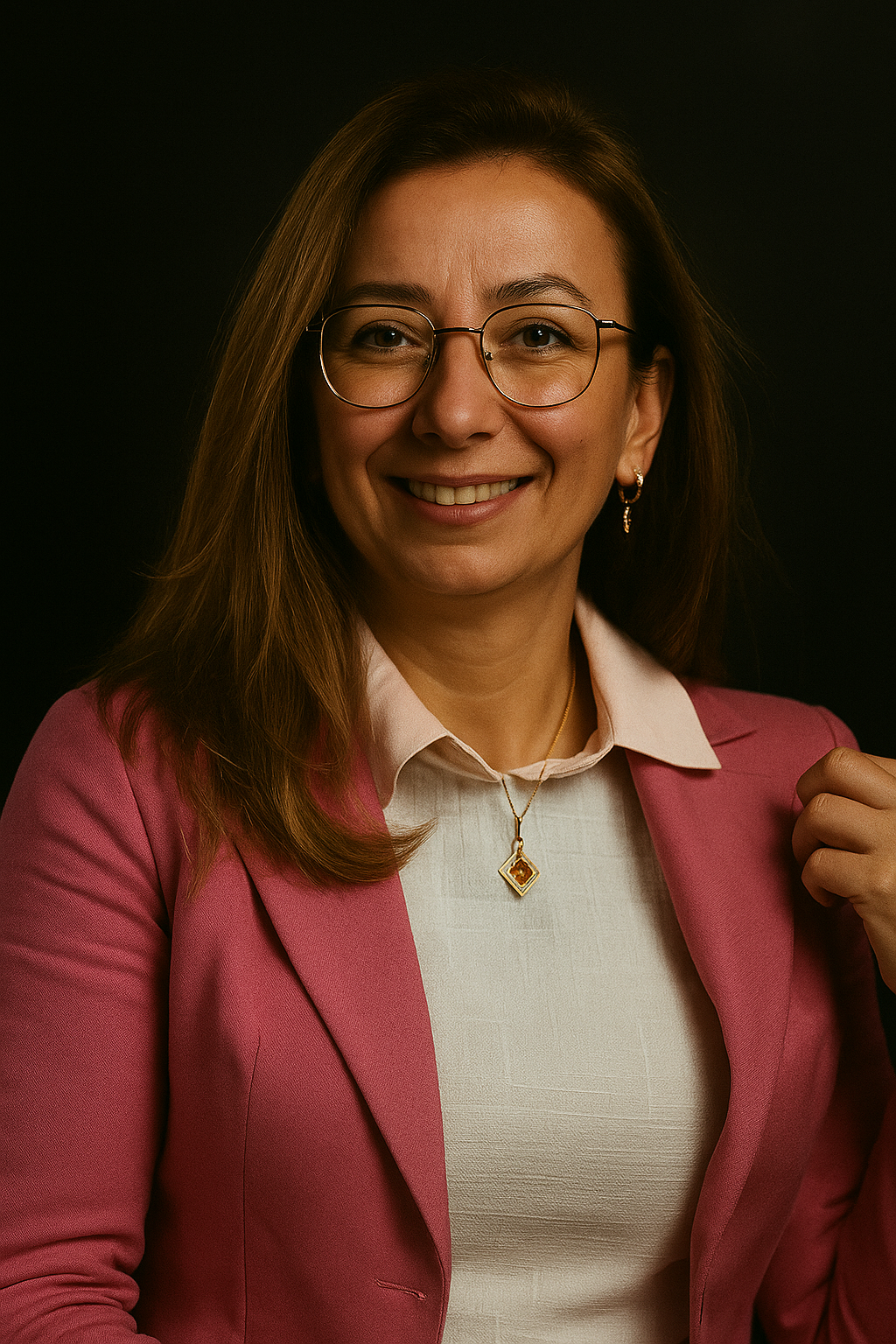
Ayşe Bozdağ Vice Principal
Gülnur Seyhanoğlu
Gülnur Seyhanoğlu Vice Principal
Fikret Eren
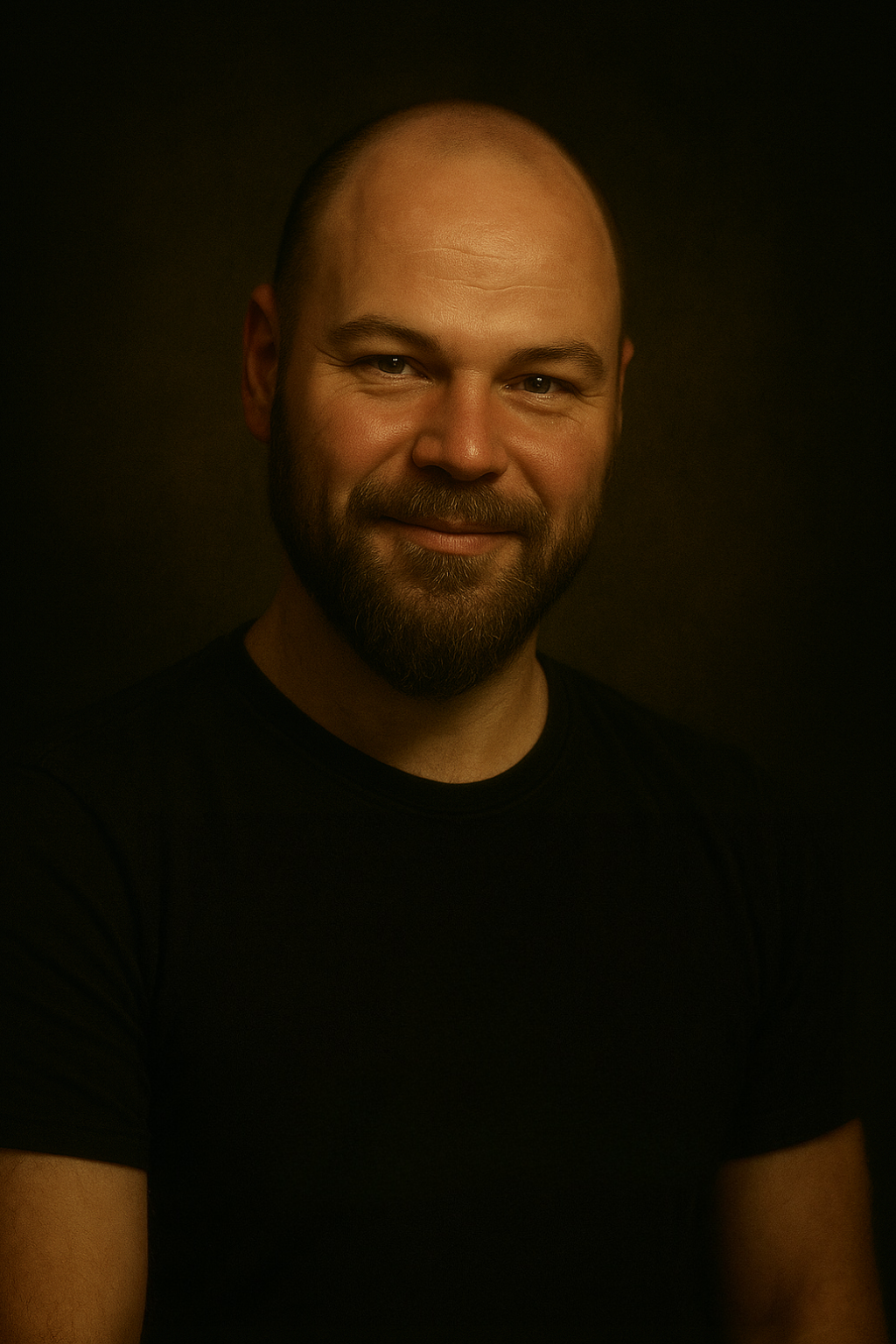
Fikret Eren Vice Principal
Esat Başkurt
Esat Başkurt Vice Principal

Kabataş Leadership Legacy

Biographical studies trace how Kabataş forged national leaders across politics, literature, and sport. Each profile below synthesises archival findings to highlight the institution's enduring ethos of public service and principled sacrifice.

Adnan Kahveci

Adnan Kahveci portrait
"Wonder Child" of modern Turkish politics, Kabataş valedictorian (1966).
  • Earned engineering and PhD degrees in the United States before returning to serve at Boğaziçi University.
  • As Finance Minister, led anti-corruption drives and drafted democratic reform proposals before his 1993 passing.

Ahmet Taner Kışlalı

Ahmet Taner Kışlalı portrait
Political scientist and Minister of Culture, class of 1957.
  • Completed a PhD in constitutional law in Paris; authored seminal works such as Siyaset Bilimi.
  • Columnist of "Haftaya Bakış" and defender of secular democracy, assassinated by a car bomb in 1999.

Ömer Seyfettin

Ömer Seyfettin portrait
Literary mentor of Kabataş, New Language pioneer.
  • Taught Kabataş students between 1914 and 1920, championing simplified Turkish prose.
  • Funeral procession led by Kabataş Sultanisi pupils signalled his profound influence on the school community.

Faruk Nafiz Çamlıbel

Faruk Nafiz Çamlıbel portrait
Poet of the Republic and Kabataş literature master.
  • Co-authored the Tenth Anniversary March and inspired generations as a Kabataş literature teacher.
  • Served as Democrat Party MP, endured Yassıada imprisonment, and is honoured with an on-campus museum.

Süleyman Seba

Süleyman Seba portrait
Gentleman president of Beşiktaş, Kabataş alumnus.
  • Scored the first goal at İnönü Stadium in 1947 and later presided over Beşiktaş J.K.'s golden era (1984–2000).
  • Captured five Süper Lig titles, four Turkish Cups, and earned universal respect for fair play leadership.

Alumni Biographies

Behçet Necatigil portrait

Behçet Necatigil (1916 – 1979)

Poet, translator, and Kabataş High School alumnus who transformed early illness into a lifelong devotion to literature. He launched handwritten magazines such as Küçük Muharrir during his student years, graduated top of the Literature Department in 1936, and studied under Ali Nihat Tarlan and Ahmet Hamdi Tanpınar before embarking on a teaching career.

Necatigil taught at Kabataş High School for decades, mentoring writers like Hilmi Yavuz while publishing landmark poetry collections including Eski Toprak, Yaz Dönü, and influential radio plays and translations. His legacy endures through the Necatigil Poetry Award and the revived student magazine Dönme, celebrating the poet's lasting imprint on the school’s literary identity.

Ahmet Taner Kışlalı portrait

Ahmet Taner Kışlalı (1939 – 1999)

Graduated from Kabataş High School in 1957, completed political science studies in Ankara while reporting for the press, and earned his doctorate in constitutional law at the Sorbonne. He became a distinguished academic, CHP Member of Parliament for İzmir, and Minister of Culture in Bülent Ecevit’s cabinet.

After the 1980 coup he returned to the university, became a professor, and penned influential columns on secular democracy for Cumhuriyet. Awarded the Sertel Democracy Prize posthumously, his legacy is honoured with a bust in the Kabataş garden where he first forged his civic ideals.

Adnan Kahveci portrait

Adnan Kahveci (1949 – 1993)

Valedictorian of Kabataş High School’s 1966 class; excelled in electrical engineering at Purdue and earned a PhD at the University of Missouri before lecturing at Boğaziçi University. He joined Turgut Özal’s team, co-founded ANAP, and served as State and Finance Minister renowned for integrity and technological vision.

His reformist reports on democratization and the Kurdish question cemented his reputation as Türkiye’s “wonder child.” Kahveci’s life was cut short in the 1993 Bolu highway accident, yet his bust in the Kabataş garden keeps his reformist spirit alive for future generations.

Oktay Tuncer portrait

Oktay Tuncer (1936 – 2020)

Istanbul-born poet and educator who graduated from Istanbul University’s Turkish Language and Literature programme in 1962. After posts in Kırklareli and Zonguldak, he taught literature at Kabataş High School for 27 years, shaping nearly four decades of students with his refined language and love of poetry.

Tuncer’s verses appeared in Varlık, Yeditepe, and other journals; his collections Deniz Kapısı and Dön reflect hopeful, tender imagery. A bust erected on campus in 2006 honours his role as the school’s poetic voice and mentor.

Süleyman Seba portrait

Süleyman Seba (1926 – 2014)

Kabataş High School footballer turned Beşiktaş legend who scored the first goal at İnönü Stadium in 1947. His leadership extended from the pitch to the boardroom—after a playing career curtailed by injury, he presided over Beşiktaş J.K. between 1984 and 2000, capturing five league titles and embedding fair play in club culture.

Seba’s enduring ties to Kabataş—where he embraced literature under Faruk Nafiz Çamlıbel—are celebrated with a campus bust. His gentlemanly ethos continues to guide both the school’s alumni network and Turkish sport.

Ömer Seyfettin portrait

Ömer Seyfettin (1884 – 1920)

Gönen-born writer and teacher who channelled his military assignments in the Balkans into vivid nationalist short stories such as “Bomba.” A leading voice of the Genç Kalemler movement, he championed the New Language reforms that modernised Turkish prose.

From 1914 until his passing in 1920 he taught literature at Kabataş Sultani, inspiring generations who even organised his funeral procession. The school keeps his legacy alive through poetry competitions and retellings of his “Münferit Yalı” years.

Document Library

Access selected primary sources and translated reports referenced throughout the timeline. Each file opens in a new tab for closer study.

Audio Narratives

English Narrative

“From Palace to Campus” — an English overview of Kabataş and Türkiye's 4+4+4 model.

Türkçe Anlatım

“Saraydan Kampüse” — Kabataş’ın Aşiret Mektebi’nden günümüze uzanan hikâyesini Türkçe dinleyin.

Racconto Italiano

“Dal Palazzo al Campus” — la storia del Liceo Kabataş narrata in italiano.

Deutsche Erzählung

„Vom Palast zum Campus“ — Die Geschichte des Kabataş-Gymnasiums auf Deutsch erzählt.

Relato en Español

“Del Palacio al Campus” — la historia del Liceo Kabataş narrada en español.

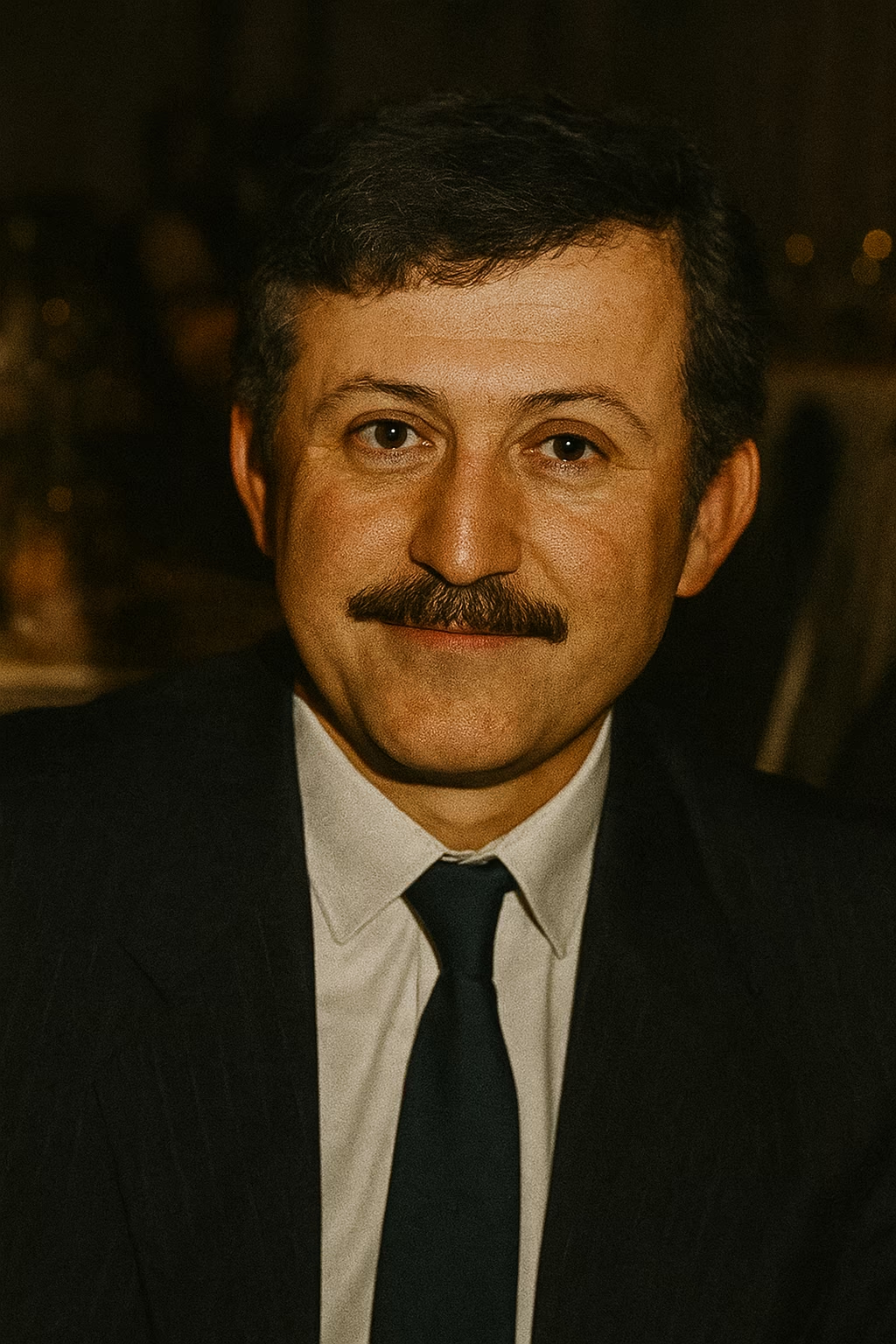
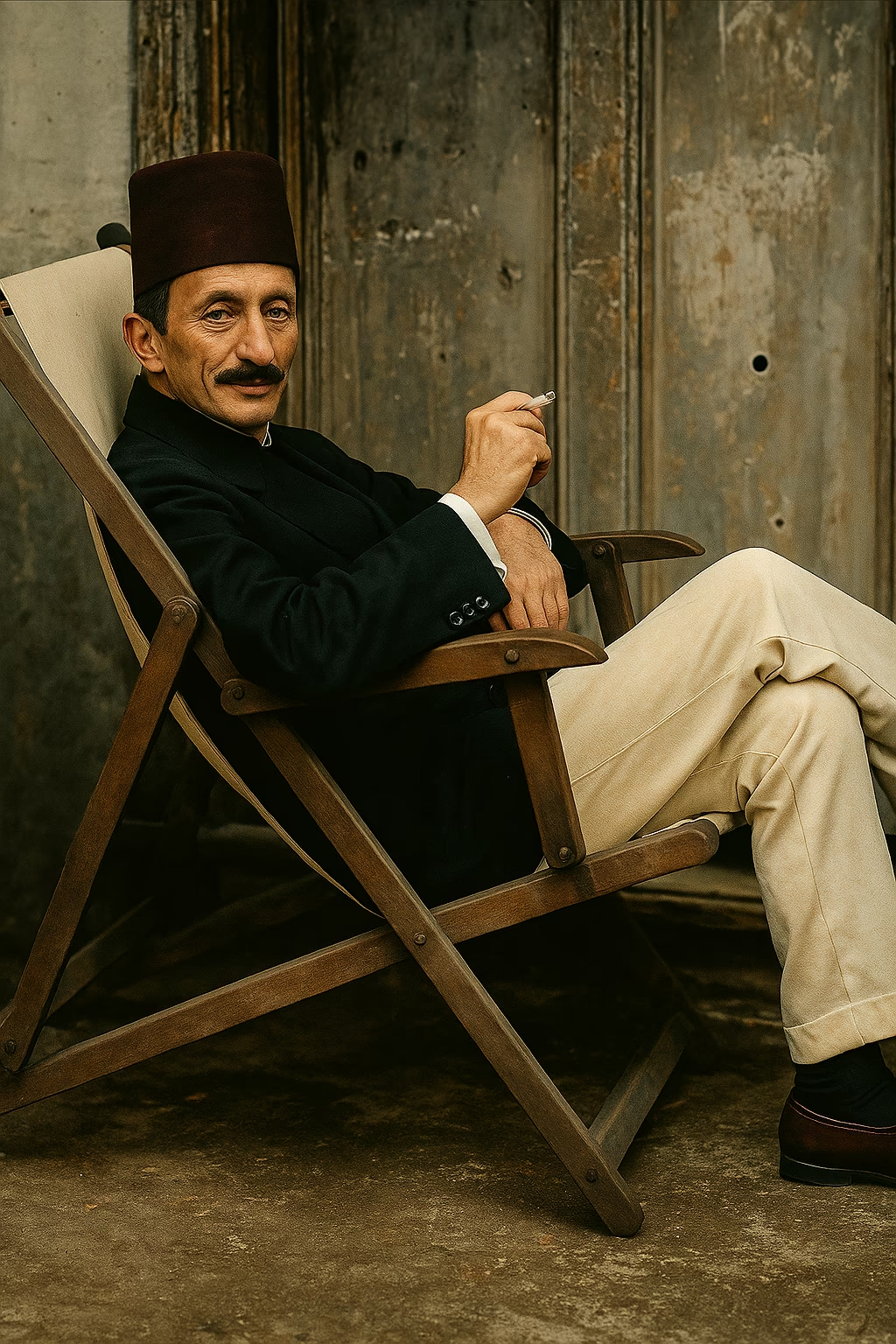
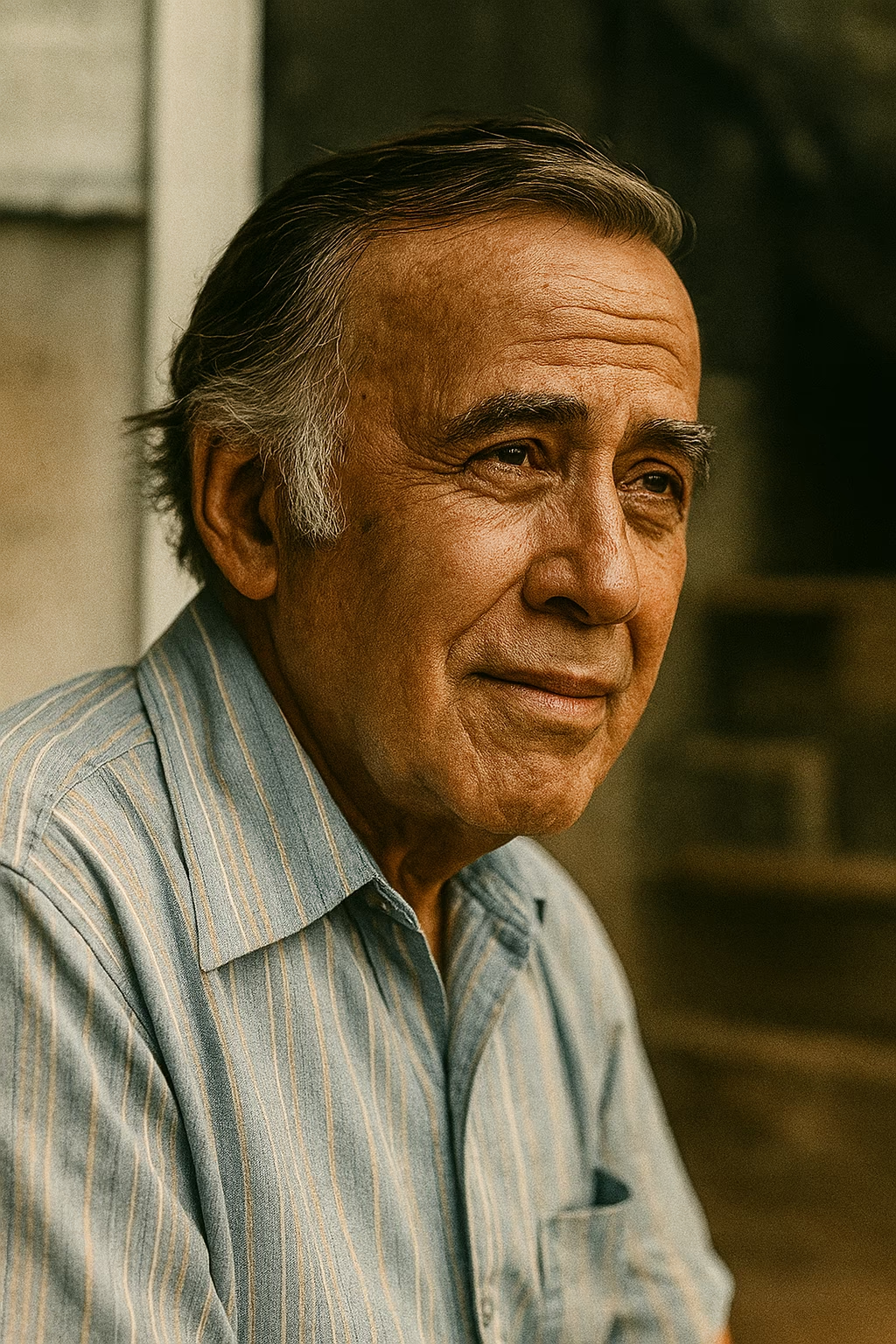
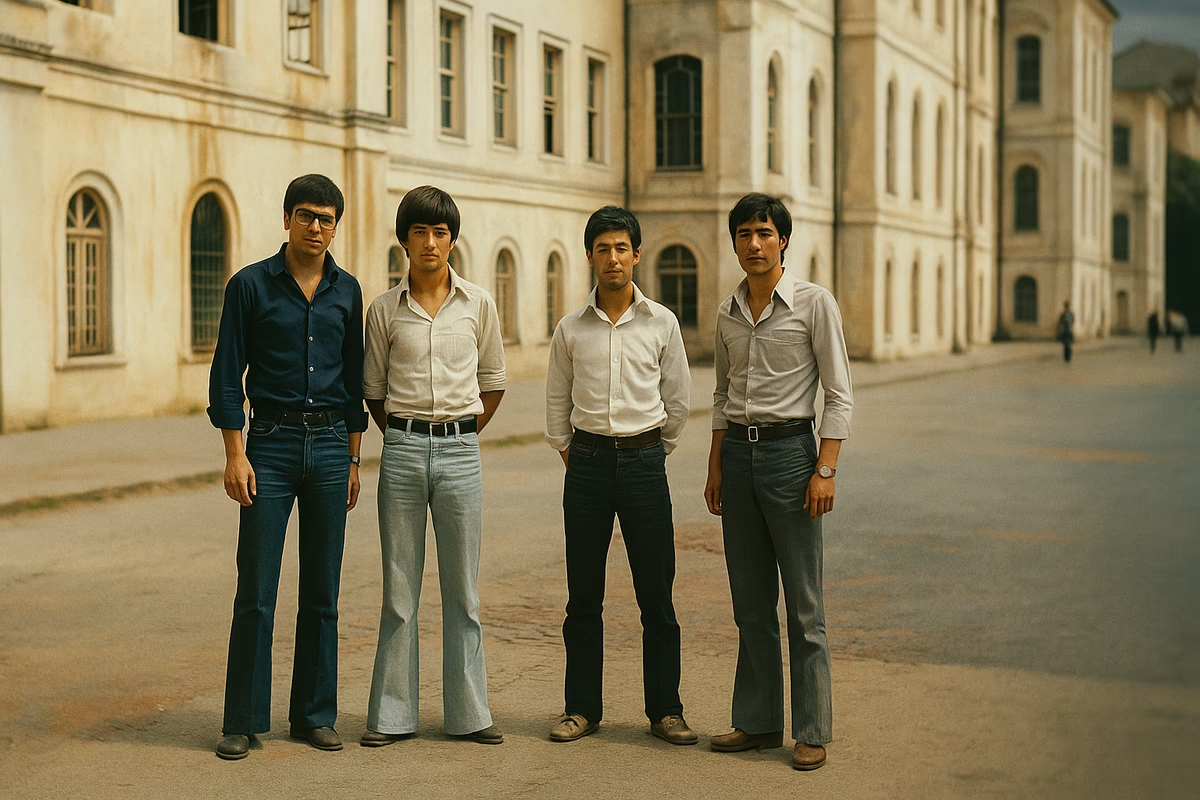
Contemporary Guardians